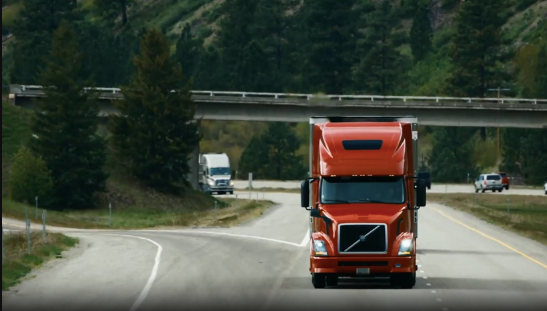
You don’t think a truck driver will fall asleep behind the wheel. You think that the person driving the huge 18-wheeler is awake, trained, and ready. Most of them are. But even a good driver can make a deadly mistake when they get tired. That risk is real on Houston roads. Long stretches of I-10. There is a lot of traffic on I-45. There are sudden slowdowns near the 610 Loop. A chain-reaction crash can happen with just one delayed reaction. When a truck driver who is tired hurts someone, things happen quickly. Bills from the doctor come. The calls from the insurance company start. Stress rises. That’s when talking to a personal injury lawyer in Houston becomes more than just a legal step. It turns into protection.
“Just Tired” Is Not Harmless
People brush off fatigue. We all get tired. Long day. Late at night. Extra shift. But truck driver fatigue is different. A fully loaded semi can weigh up to 80,000 pounds. It does not stop quickly. If a driver’s eyes close for even three seconds, the truck may travel the length of a football field without control. Federal law sets limits on how long commercial drivers can stay on the road. These are called hours-of-service rules. They require rest breaks and limit driving hours. The goal is simple: keep tired drivers off highways. Still, pressure exists. Delivery deadlines. Shipping contracts. Bonus pay tied to speed. Some drivers push past safe limits. Some companies quietly expect it. That’s where things fall apart.
Why Houston Sees So Many Fatigue Crashes
Houston is a shipping powerhouse. The Port of Houston moves cargo nonstop. Oil equipment, retail goods, food supplies — trucks carry it all across Texas and beyond. More trucks mean more exposure to risk.
Add in:
- Dense traffic patterns
- Construction zones that seem never-ending
- Sudden Gulf Coast storms
- Long nighttime highway routes
Now picture a driver who has been behind the wheel for twelve hours. You see how it happens. Sometimes people notice warning signs. A truck drifting slightly. Slow braking. A delayed lane change. It feels minor — until it isn’t.
Liability Is Rarely Simple
Here’s the part most people don’t realize. Truck accident claims are rarely about one person alone.
Yes, the driver may be at fault. But responsibility can extend to:
- The trucking company
- A freight broker
- A cargo loading team
- A maintenance contractor
Companies must monitor driver hours. They must keep accurate logs. Many trucks use electronic logging devices, known as ELDs. These track drive times. But logs can be incomplete. Records can raise questions. Dispatch emails sometimes tell a different story than official reports. An experienced Houston personal injury lawyer will request:
- Driver logbooks
- Black box data
- GPS tracking records
- Internal company communications
- Safety history reports
These details reveal patterns. Repeated long shifts. Missed rest breaks. Ignored violations. Patterns matter. Courts pay attention to patterns.
See also: Advertise a Business by Measuring and Improving Marketing Performance
The Injuries Are Often Severe
Truck crashes are not light collisions.
Victims often suffer:
- Brain injuries
- Spinal cord damage
- Crushed bones
- Internal bleeding
- Severe neck and back trauma
Recovery can take months. Sometimes years. Some people never return to their prior health. There’s also the quiet impact. Trouble sleeping. Anxiety in traffic. Fear when hearing loud engine noise. These effects linger long after casts come off. Texas law allows injured victims to seek compensation for:
- Medical bills
- Lost income
- Future medical care
- Pain and suffering
- Property damage
In serious cases, additional damages may apply if reckless conduct is proven.
Insurance Companies Move Quickly
After a truck accident, insurance teams often respond within days. You may get a polite call. A quick offer. It may sound fair. But early settlements often miss long-term costs. Future surgery. Ongoing therapy. Reduced earning ability. These numbers are not guesses — they are calculated over time. Once you accept an offer, you usually cannot reopen the claim. That decision deserves careful review.
How Legal Representation Changes the Outcome
A strong legal team does more than file paperwork. They investigate early. They send evidence preservation letters. They consult crash experts. They negotiate from strength, not fear. Schechter, Shaffer & Harris, LLP – Accident & Injury Attorneys has handled complex injury cases in Houston for decades. The firm understands trucking law and federal safety rules. That background matters when fatigue is involved. Houston’s highways are busy year-round. Commercial traffic does not slow down. Having a legal team that knows the local courts, insurers, and industry practices provides an advantage. You focus on healing. Your attorney handles the legal pressure. That balance matters more than most people expect.
Timing Is Critical
Texas law generally gives injured victims two years from the crash date to file a lawsuit. Two years can pass quickly. Electronic driving data may be deleted. Trucks are repaired or sold. Witnesses move. Skid marks fade. Early legal practice action protects key evidence. Waiting can weaken a strong case.
Why Fatigue Cases Require Experience
Fatigue is not always obvious at first glance. There may be no alcohol. No phone use. No speeding ticket. Instead, the issue lies in hours logged, rest skipped, or pressure applied behind the scenes. That requires careful review of records. It also requires persistence. Trucking companies do not hand over damaging evidence easily. That’s why experience in these specific cases matters. Schechter, Shaffer & Harris, LLP – Accident & Injury Attorneys has built its name handling serious injury claims, including trucking accidents. Their approach blends detailed investigation with firm negotiation. Results often reflect preparation.
Frequently Asked Questions
1. How can a lawyer demonstrate that the accident was caused by driver fatigue?
Attorneys examine dispatch notes, GPS records, driver logs, and electronic data. Black box data might reveal a lack of response or delayed braking. The claim is strengthened by a pattern of excessive hours. Fatigue is frequently linked to the crash itself by expert analysis.
2. Can a fatigued driver be blamed on the trucking company?
Yes. The business might share liability if it forced drivers to forego rest periods or disregarded safety regulations. Employers are frequently held legally liable for drivers performing their job duties.
3. What compensation am I entitled to following a truck accident caused by fatigue?
You have the right to compensation for pain and suffering, future medical care, lost wages, and medical bills. Long-term care and diminished earning capacity are examples of severe cases. The facts and medical evidence are what determine each case.
4. How long do I have to file a truck accident lawsuit in Texas?
In most cases, you have two years from the accident date. Acting sooner helps preserve evidence and strengthens your position during negotiations.
5. Should I take the first offer from the insurance company?
Before you accept any offer, it is a good idea to talk to a lawyer. Early settlements often don’t take into account long-term costs. After you sign, you usually can’t ask for more money later.
Endnote
Driver fatigue can lead to truck accidents, but they can be avoided. There are reasons for rest rules. Families suffer when they are not paid attention to. If you or a loved one was hurt in a truck accident in Houston, talking to a Houston personal injury lawyer can help you know what to do and protect your future. You didn’t ask about this. But you can choose how to deal with it.